Where to Park RV for Free? 7 Safe & Legal Options
One of the best parts of RV travel is having the freedom to explore without booking a campground every night. But if you're planning a road trip, you may eventually wonder: where to park RV for free without breaking local rules or putting your RV somewhere unsafe?
Fortunately, there are several options for free RV parking, from public lands and national forests to certain businesses and highway stops. The key is knowing the difference between overnight parking and camping, checking local regulations, and getting permission when you're staying on private property.
Here are some of the best places to look.
1. BLM Land for Free RV Camping
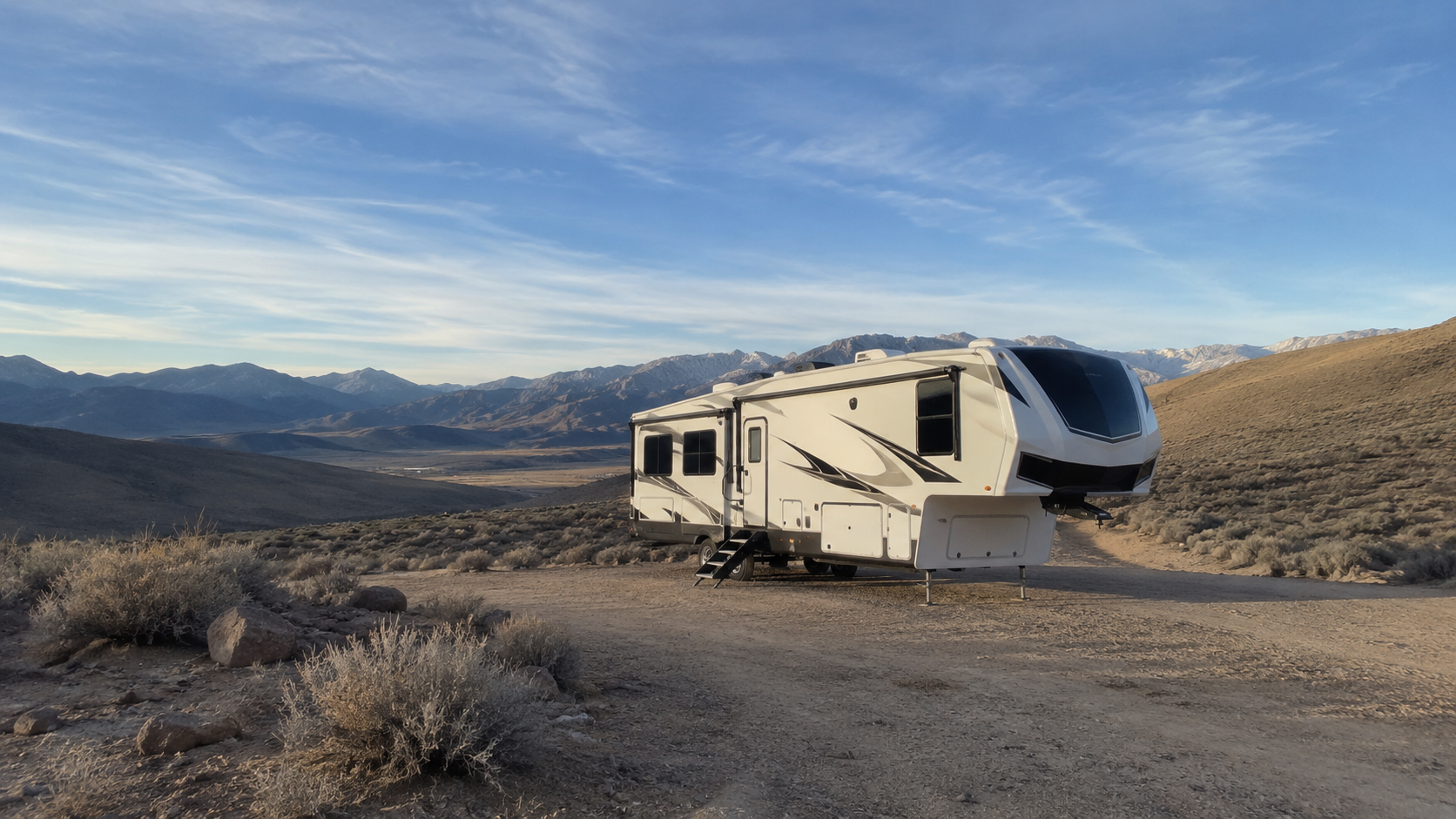
Bureau of Land Management land is one of the best options for RVers who want more than a quick overnight stop.
Much of the BLM's public land allows dispersed camping, which means camping outside a developed campground without standard campground amenities. Most BLM areas permit dispersed camping unless the location is specifically closed or subject to additional restrictions.
Stay limits vary, although a common limit is approximately 14 days within a 28-day period. Always check the rules for the specific BLM field office before setting up camp.
Because these sites typically have no hookups, RVers should arrive prepared with:
Fresh water
Battery or solar power
Waste storage capacity
Food and supplies
A plan for trash disposal
Appropriate emergency equipment
For California RV travelers, BLM manages extensive recreation areas throughout the state where dispersed camping may be available.
2. National Forests
National forests can also provide excellent opportunities for free RV camping.
Many forests allow dispersed camping outside developed campgrounds, but where you can legally take a motorized vehicle depends on the individual forest.
The U.S. Forest Service publishes Motor Vehicle Use Maps showing roads, trails, and areas legally designated for motorized travel. Routes that do not appear on the applicable map may be closed to public motor vehicle use.
Before taking a travel trailer or motorhome down a forest road, also consider road width, clearance, turning space, terrain, weather, and your RV's length.
Expert Tip: A road that works perfectly for a camper van may be unsuitable for a large fifth wheel or Class A motorhome. Research access before arriving, especially when traveling after dark.
3. Retail Parking Lots
Some RV travelers use large retail parking lots for quick overnight stops.
Businesses commonly associated with RV overnight parking include certain Walmart, Cabela's, Bass Pro Shops, and similar locations. However, never assume overnight RV parking is automatically allowed.
Policies can differ by individual property, city ordinance, shopping center management, or local zoning regulations. Even businesses known for welcoming RV travelers may prohibit overnight stays at particular locations.
Call the store or speak with the manager before parking. If permission is granted, ask exactly where they would like your RV positioned.
4. Truck Stops
Truck stops can be useful when you simply need a place to rest during a long driving day.
Some locations provide RV-friendly parking along with fuel, food, restrooms, and other traveler services. Availability varies, so check the specific location before planning your overnight stop.
Be considerate of professional drivers who depend on designated truck spaces. Use RV or general parking areas whenever they are available rather than occupying limited truck parking unnecessarily.
5. Highway Rest Areas
Rest areas can provide another convenient place to stop, but the rules vary significantly by state.
Some states permit overnight or extended rest periods, while others restrict how long vehicles can remain.
In California, Caltrans operates Safety Roadside Rest Areas specifically to give travelers places to stop, rest, use facilities, check their vehicles, and reduce fatigued driving.
Always read posted signs at the individual rest area. Parking for rest and setting up an RV campsite are not necessarily treated the same way.
6. Casinos and Other Large Properties
Some casinos, entertainment destinations, and other businesses with large parking areas may allow RV travelers to stay overnight.
Policies vary greatly. Some properties welcome RVs, while others require registration, restrict parking to particular areas, or prohibit overnight stays completely.
Call ahead rather than relying on an old online review.
7. Free Dispersed Camping Areas
If your goal is to enjoy nature rather than simply sleep between driving days, search specifically for dispersed camping or boondocking.
Free camping resources such as Campendium and other RV-focused mapping platforms can help travelers identify potential public-land campsites and overnight parking locations.
Crowdsourced listings are useful starting points, but conditions and regulations change. Confirm the location through the land-management agency whenever possible.
How to Park Your RV Responsibly for Free
Finding a free spot comes with a responsibility to protect access for the RVers who come after you.
Follow these basic practices:
Get permission when parking on private property.
Obey signs and local ordinances.
Keep slides and awnings retracted in parking lots.
Avoid setting out chairs, grills, rugs, or other campsite equipment during simple overnight parking.
Never dump gray or black water on the ground.
Keep noise and generator use reasonable.
Take all trash with you.
Leave promptly when the permitted stay ends.
On public land, use existing disturbed campsites whenever possible and avoid creating new tracks or damaging vegetation. The BLM specifically encourages campers to pack out waste and minimize their impact on public lands.
Prepare Your RV Before Boondocking
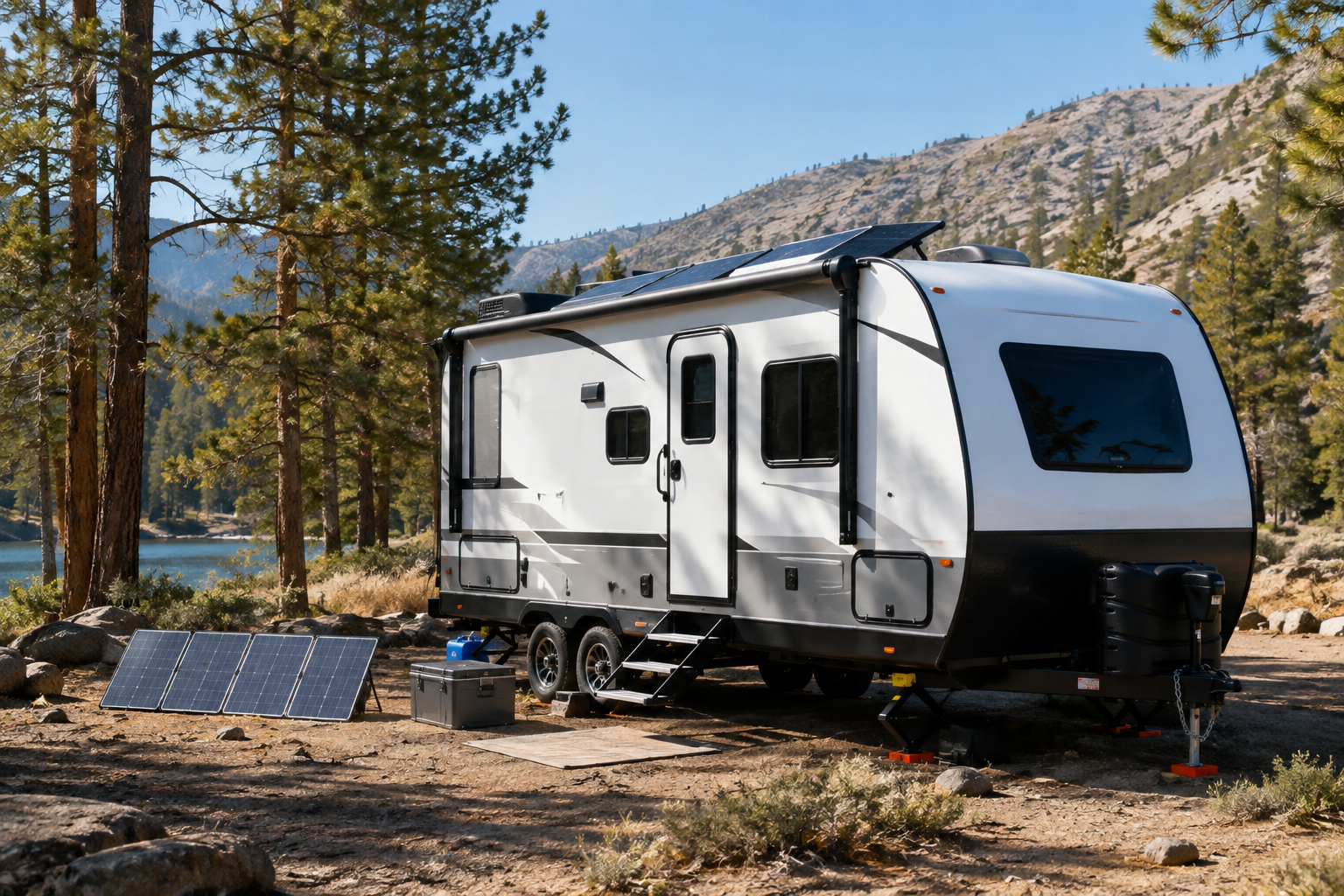
Knowing where to park RV for free is only half the equation. Your RV needs to be ready for camping without hookups.
Before heading onto public land, check your battery system, fresh-water supply, holding tanks, tires, roof, propane system, generator or solar setup, and basic emergency equipment.
Sky River RV provides RV maintenance, system diagnostics, plumbing, electrical, generator, HVAC, roof inspection, solar installation, battery upgrades, and other services that can help prepare an RV for longer trips or off-grid camping.
Sky River RV serves RV travelers from locations in Paso Robles, Pismo Beach, Santa Maria, and Fresno, California, with both new and used RV inventory available for different travel styles.
Key Takeaways
BLM land is one of the best places to find free dispersed RV camping.
National forests may offer additional boondocking opportunities.
Some retailers, truck stops, casinos, and rest areas permit overnight RV parking.
Never assume a business allows overnight parking. Ask first.
Check local laws and posted signs even when online sources say a location is RV-friendly.
Prepare your RV for dry camping because most free sites do not include hookups.
If you've been wondering where to park RV for free, start with public lands and legal dispersed camping areas for longer stays, then use approved retail lots, truck stops, or rest areas when you simply need a safe overnight stop. A little planning can turn free RV camping into one of the most enjoyable parts of your next road trip.
FAQS
Can you legally park an RV anywhere overnight for free?
No. Overnight parking regulations depend on the property owner, city, county, state, and land-management agency. Always check posted rules and obtain permission when using private property.
Can you park an RV on BLM land for free?
Many BLM areas permit free dispersed camping, although individual locations can have restrictions, permits, closures, or stay limits. Check with the appropriate BLM field office before your trip.
Can you park an RV overnight at Walmart?
Some locations may permit RV overnight parking, but permission should never be assumed. Local regulations and individual property policies can prohibit overnight stays. Contact the specific store before arriving.
What is boondocking in an RV?
Boondocking generally means camping without campground hookups such as electricity, water, and sewer. It is also commonly called dry camping or dispersed camping when done on undeveloped public land.
Where can I find free RV camping in California?
California RVers can explore BLM-managed public lands and national forests where dispersed camping is permitted. Rules vary by area, so confirm access, fire restrictions, road conditions, and stay limits before traveling.
What should I bring when free camping in an RV?
Bring adequate fresh water, power, food, waste-storage capacity, emergency supplies, navigation tools, and equipment appropriate for the terrain and weather. Free dispersed campsites generally should not be expected to offer hookups.