
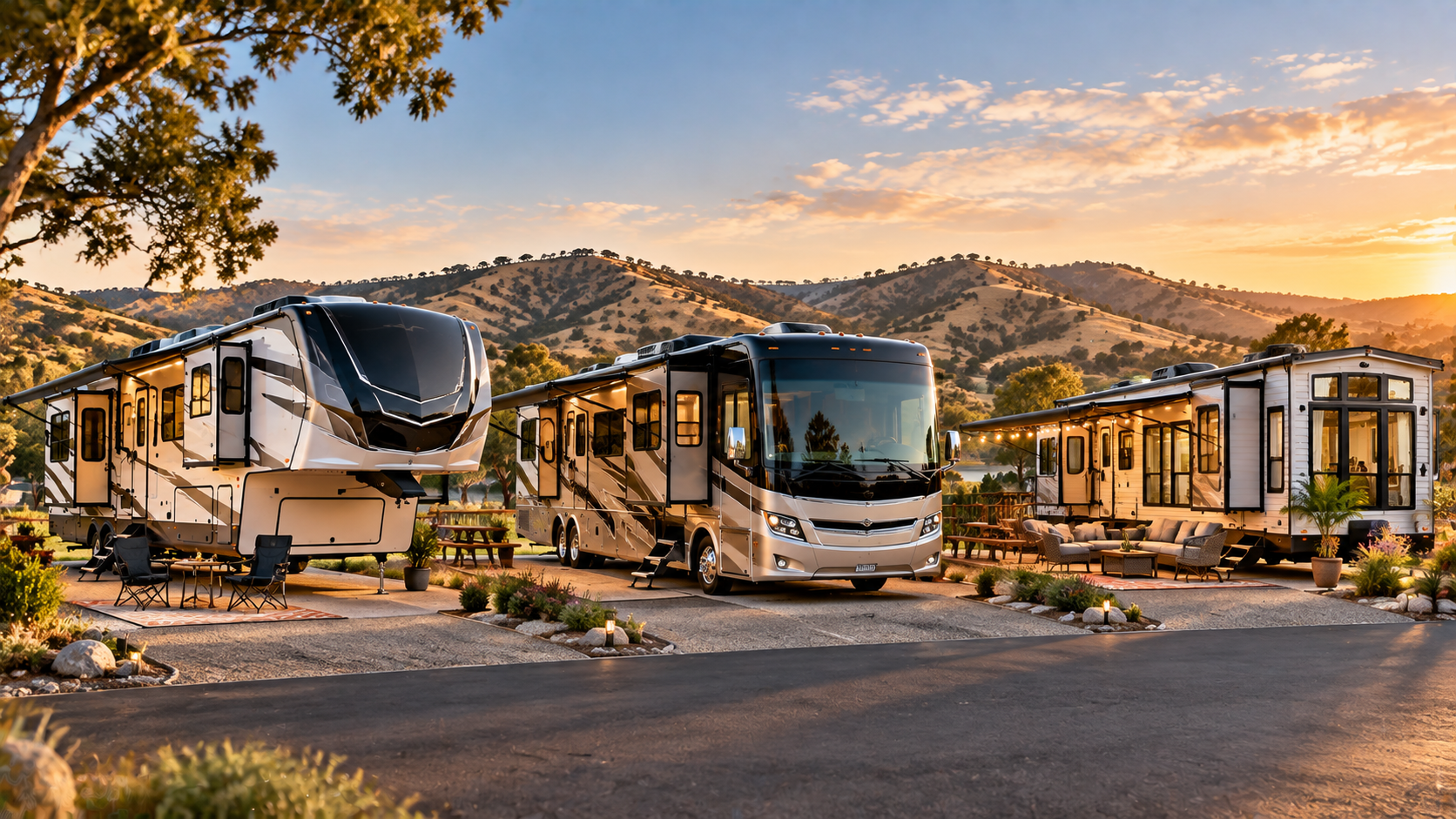
Best RV for Full-Time Living: Fifth Wheel vs Motorhome vs Destination Trailer
For most full-time RVers, a fifth wheel is the best overall choice because it offers the most living space, residential features, and storage for the price, plus the freedom to move when you want. A motorhome is best for full-timers who travel often and want to drive without hitching. A destination trailer is best for people who plan to stay in one place for months or years and rarely move.
At Sky River RV, full-time living is one of the most common goals our customers bring to us. This guide compares all three options so you can choose with confidence.
Which RV Type Is Best for Full-Time Living?
The best full-time RV depends on how often you move. Fifth wheels suit most full-timers, motorhomes suit frequent travelers, and destination trailers suit long-term stationary living.
Here is a quick breakdown:
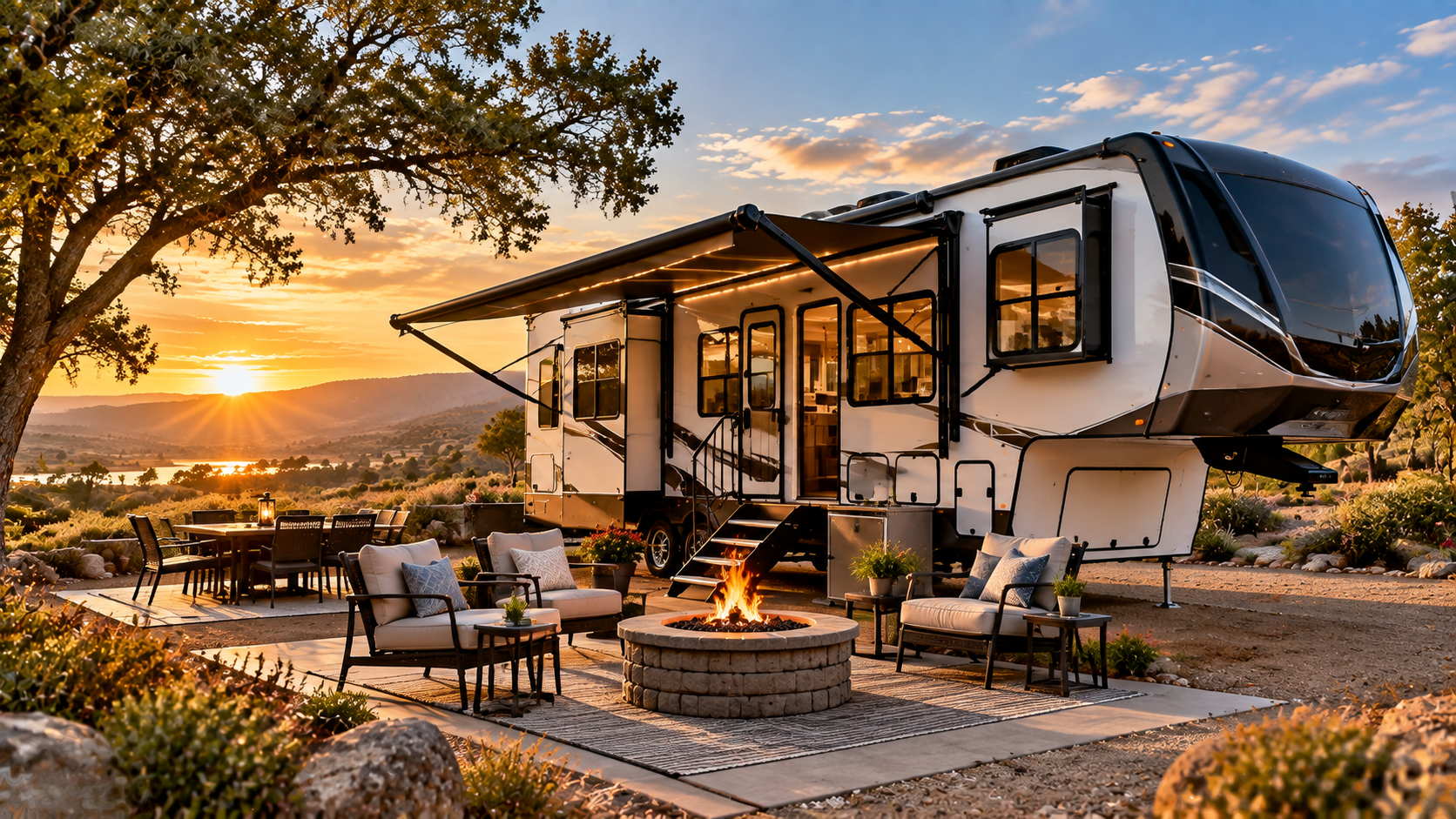
Fifth wheel: Best balance of space, comfort, and mobility. Ideal if you move every few weeks or seasonally.
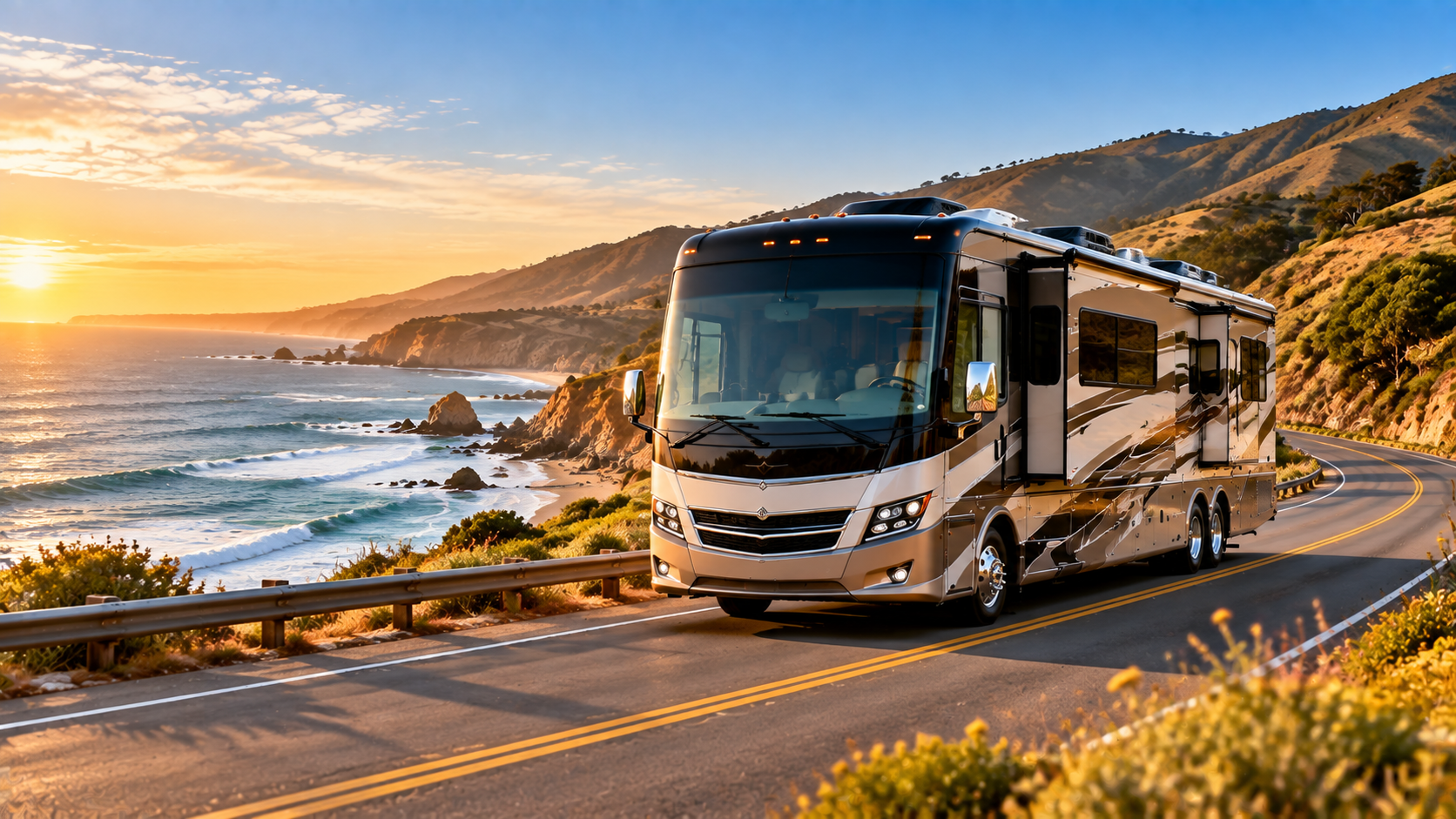
Motorhome: Best for travel-heavy lifestyles. Ideal if you move often and want easy setup and on-the-road access to the kitchen and bathroom.
Destination trailer: Best for stationary living. Ideal if you plan to park at one RV park, property, or job site for long periods.
Example: A retired couple who winters on the Central Coast and summers in the mountains is usually happiest in a fifth wheel. A couple chasing a new national park every week often prefers a motorhome. A traveling nurse on a long contract near Fresno may get the most home for the money from a destination trailer.
Buying advice: Before you look at floorplans, estimate how many times a year you will move. That single answer narrows your choice faster than anything else.
What Are the Pros and Cons of Each Full-Time RV Type?
Each RV type trades off space, mobility, and cost differently. Here is what full-timers should know about each.
Fifth Wheels for Full-Time Living
A fifth wheel is a towable RV that connects to a hitch mounted in the bed of a pickup truck. The raised front section usually holds the bedroom, which creates a split-level layout that feels more like a small apartment.
Pros:
Generous living space with high ceilings and multiple slide-outs
Residential features like large kitchens, islands, and full-size appliances in many models
Stable towing thanks to the in-bed hitch design
Your truck doubles as your daily vehicle once you park
Wide range of luxury options built for full-time use
Cons:
Requires a heavy-duty pickup, usually a 3/4-ton or 1-ton truck
Steps to the upper bedroom level can be a challenge for some owners
Larger models may not fit some older campgrounds or sites
Popular full-time fifth wheel choices at Sky River RV include Brinkley fifth wheels, Alliance RV, Keystone Montana, and Grand Design models.
Motorhomes for Full-Time Living
A motorhome is a self-propelled RV with the engine and living space in one unit. Full-timers typically choose a Class A for the most space or a Class C for a smaller, more maneuverable option. Class B camper vans work for minimalist full-timers who value mobility above space.
Pros:
No hitching or unhitching, which makes frequent moves easier
Passengers can use the kitchen and bathroom while stopped on travel days
Large basement storage on many Class A models
Leveling and setup are often quick and automated
Cons:
Higher purchase price for comparable living space
Engine and chassis maintenance add to ownership costs
Most full-timers tow a small car, which adds cost and weight
If the motorhome needs engine or chassis service, you may lose your home for a few days
Browse Class A motorhomes, Class C motorhomes, and Class B camper vans. Full-timers looking at premium coaches often start with Newmar motorhomes.
Destination Trailers for Full-Time Living
A destination trailer is a large towable RV designed to be parked for long periods rather than moved frequently. It is built around living space, not towing convenience.
Pros:
Residential feel with large windows, open living areas, and home-style furniture
Often the most living space for the money
Great for seasonal sites, family property, or long work assignments
Many layouts include larger bathrooms and more closet space
Cons:
Not designed for frequent travel
Many owners hire a professional transporter to move it
Often requires a full-hookup site with sewer and 50-amp service
Some RV parks limit how long you can stay or which RV types they accept
See our destination trailer inventory for current options.
How Do You Choose the Right Full-Time RV?
Choose based on travel frequency, budget, tow vehicle, and the type of sites you plan to use. Use this guidance to narrow your options.
Fifth Wheel vs Motorhome for Full-Time Living
Choose a fifth wheel if you move every few weeks or less, want the most space for your budget, and already own or plan to buy a heavy-duty truck.
Choose a motorhome if you move often, prefer not to hitch and unhitch, or want an easier travel-day routine. Plan for a tow car and chassis maintenance.
Fifth Wheel vs Destination Trailer for Full-Time Living
Choose a fifth wheel if you want the flexibility to relocate on your schedule.
Choose a destination trailer if you know where you will park for the next year or longer and want a more residential layout.
Motorhome vs Destination Trailer
These two sit at opposite ends. A motorhome is built to travel. A destination trailer is built to stay. If you are torn between them, a fifth wheel is often the best middle ground.
Best-For Summary
Best overall full-time RV: Fifth wheel
Best for frequent travel: Class A motorhome
Best for smaller budgets on the move: Used fifth wheel or Class C motorhome
Best for stationary living: Destination trailer
Best for minimalist solo travelers: Class B camper van
Full-Time RV Buyer Checklist
Estimate how often you will move each year.
Decide where you will stay: full-hookup parks, public campgrounds, or private property.
Confirm your tow vehicle's ratings or budget for a truck or tow car. Our tow guides can help.
Look for four-season insulation, a residential-size refrigerator, and ample closet space.
Check holding tank sizes if you will boondock.
Confirm 50-amp service if you plan to run two air conditioners.
Plan workspace needs if you work remotely.
Budget for insurance, site fees, maintenance, and storage.
Ask about RV insurance options for full-time use.
What Mistakes Should Full-Time RV Buyers Avoid?
The most common mistake is choosing an RV for weekend trips when you actually need one built for daily living. Here are other pitfalls to watch for.
Buying too small. A layout that feels fine for a weekend can feel cramped after a month. Look for dedicated spaces for sleeping, cooking, working, and relaxing.
Ignoring towing and licensing rules. Heavier towables and larger motorhomes may require special driver's license classes in California. Check current DMV requirements before you buy.
Underestimating ongoing costs. Full-timers pay for campsites, fuel, insurance, maintenance, and repairs. Motorhomes add engine and chassis service.
Skipping climate considerations. Summers in the Central Valley get hot, while coastal areas can be cool and damp. Look for strong insulation, two A/C units on larger models, and good ventilation.
Assuming every RV park accepts every RV. Some parks have age, size, or length-of-stay rules. Call ahead before committing to a long-term site.
Skipping the walkthrough. Full-timers rely on every system daily. Watch our RV walkthroughs and ask for a detailed delivery orientation.
Neglecting maintenance. Roof seals, slides, water systems, and tires need regular inspection. Schedule routine care with our RV service team and keep spare RV parts on hand.
How Can Sky River RV Help You Choose a Full-Time RV?
Sky River RV helps full-time buyers compare fifth wheels, motorhomes, and destination trailers side by side, arrange financing, and maintain their RV after the sale.
With locations serving California's Central Coast and Central Valley, including Pismo Beach, Santa Maria, Paso Robles, and Fresno, we make it easy to tour multiple RV types in person.
Our team can help with:
Side-by-side tours of fifth wheels, motorhomes, and destination trailers
Lifestyle-based recommendations based on how often you travel and where you stay
RV financing, including the option to get pre-approved
Trade-in appraisals if you are upgrading from a smaller RV
Ongoing service and parts to keep your full-time home in top shape
If you are looking for a fifth wheel for sale near Fresno, start with our fifth wheels in Fresno, CA page. Shopping for a motorhome dealership near Bakersfield? Visit our motorhomes for sale near Bakersfield, CA page.
Frequently Asked Questions
What is the most comfortable RV for full-time living?
Luxury fifth wheels and Class A motorhomes are usually the most comfortable RVs for full-time living. Fifth wheels offer residential kitchens, high ceilings, and split-level separation between bedroom and living areas. Class A motorhomes offer large living spaces and easy travel days. Destination trailers can feel even more home-like but are not built for frequent moves.
Is a fifth wheel or motorhome better for full-time RVing?
A fifth wheel is usually better for full-timers who move every few weeks or less and want more space for the money. A motorhome is usually better for full-timers who move often and want to avoid hitching and unhitching. Consider your travel frequency, budget, and whether you want to drive a truck or tow a car.
Can you live in a destination trailer full time?
Yes, many people live full time in destination trailers, especially at long-term RV parks, on private property, or near long work assignments. They offer residential layouts and generous space. However, they are built for occasional moves, often need a professional transporter, and typically require full hookups. Check local zoning and park rules before committing.
How much does it cost to live in an RV full time?
The cost of full-time RV living varies widely based on your RV, travel style, and campsite choices. Major expenses include your RV payment, campsite or park fees, fuel, insurance, maintenance, and utilities. Staying longer at one park often lowers monthly site costs. Build a realistic budget before buying and include a reserve for repairs.
What features should a full-time RV have?
A full-time RV should have strong insulation, a residential-size refrigerator, generous closet and pantry storage, a comfortable permanent bed, and a dedicated workspace if you work remotely. Look for 50-amp electrical service, dual air conditioning in larger units, good holding tank capacity, and a layout that separates sleeping and living areas for privacy.
Is a used RV a good option for full-time living?
A used RV can be a smart option for full-timers on a budget, as long as it has been well maintained. Inspect the roof, seals, slides, frame, and appliances carefully. For motorhomes, review engine and chassis service records. Buying from a dealer with a service department adds peace of mind and access to repairs.
What size RV is best for full-time living?
Many full-time couples find that RVs in the mid-30 to low-40-foot range offer a good balance of living space and campground access. Larger RVs feel more like home but may not fit some public campgrounds. Smaller RVs are easier to travel with but can feel cramped. Choose based on household size and the sites you plan to use.
Final Takeaway
The best RV for full-time living depends on how you plan to live. A fifth wheel offers the best overall mix of space, comfort, and flexibility for most full-timers. A motorhome is the right fit for frequent travelers who want easy travel days. A destination trailer delivers the most residential feel for people who plan to stay put.
Ready to find your full-time home on wheels? Browse our new RV inventory, explore used RVs, or contact Sky River RV to talk with our team about the right RV for your lifestyle.